|
Credibility: ★★★★☆ 4/5
|
Threat Level: MODERATE (Moderate. Manageable, if the housesitter is sensible.)
A practical guide to disclosure, omission, and the specific wording of the instruction about the back hallway
The situation arises more often than people admit. You have somewhere to be — a family occasion, a work trip, a week in coastal Maine that you have been postponing for three years and will not postpone again — and you need someone to water the plants, collect the post, and ensure the house is not left entirely to its own devices. This is a reasonable thing to need. The complication, for a growing number of households across the rural Northeast and, frankly, well beyond it, is that the house has a resident situation that falls outside the standard handover notes. I am not talking about a tricky boiler. I am talking about something that has, on at least four documented occasions reported to this publication, appeared at the kitchen window wearing a face it did not come with.
The question I am asked, with some regularity, is not whether one should tell the housesitter. That debate is largely settled in favour of disclosure, if only because the alternative — the housesitter encountering the situation without preparation, calling you in a state that the Maine cottage WiFi cannot adequately support, and then writing a review of your property on the housesitting app that uses words like ‘deeply unsettling’ and ‘what was in the freezer’ — is worse than an awkward conversation. The real question is how much to say, in what order, and which specific details serve communication and which serve only to produce a housesitter who does not show up.

What To Lead With, And What To Save
The briefing should be layered. Begin with the practical. The bins go out on Wednesday. The cat — or whatever animal you have — takes the smaller bowl. The heating has a delay. Then, once you have established yourself as a person of normal domestic habits, introduce the additional information at a pace the housesitter can absorb. ‘There may be some unusual activity in the property’ is a reasonable sentence. ‘I believe we have what researchers in the field have described in connection with Navajo Skinwalker lore, though the specific classification is still under review’ is technically accurate but should probably not come before you’ve offered them a cup of tea. Lead with the bins. Work up to the classification.
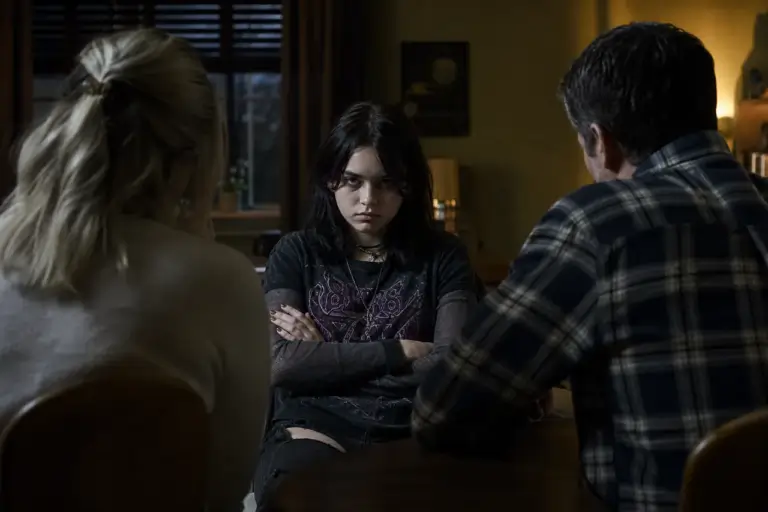
I told her about the noise first. Just the noise. She was fine with the noise. The face came later, and I maybe should have reversed the order.
— Householder, Windham County, identity withheld on request
The rooms. This is where householders consistently err, and the error tends in both directions simultaneously. Some give a full room-by-room account so thorough that the housesitter arrives having memorised a map of restrictions and spends the entire stay rigid with anticipatory attention, which is its own kind of problem — presence of that quality is noticed. Others say nothing about rooms at all, which leaves the housesitter free to wander, open doors, stand in the back hallway with the light off because the switch is on the far wall, and so on. What works, based on four witnesses I have spoken with across three separate incidents, is a short list: the rooms that are fine, the rooms that require the door kept shut, and the one room, if there is one, that should remain locked and which you should describe only as ‘storage.’ You do not owe the housesitter a full accounting of what is stored there. Most people accept ‘storage’ without follow-up questions. The ones who do ask follow-up questions are, in my experience, either going to be fine with the real answer or are entirely the wrong housesitter and should be thanked and not called back.
FIELD ALERT
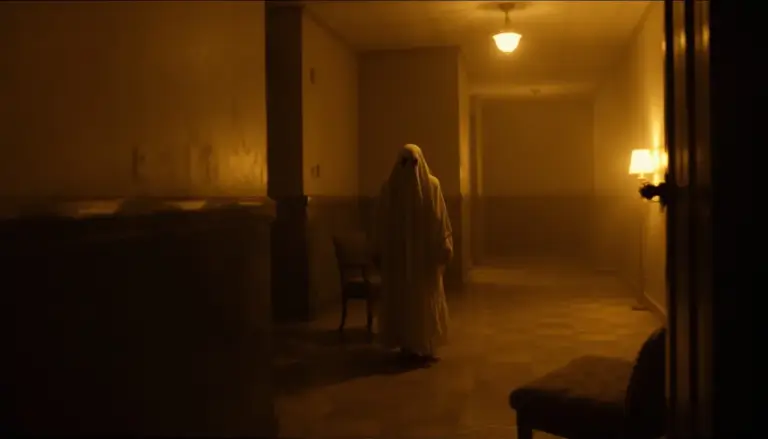
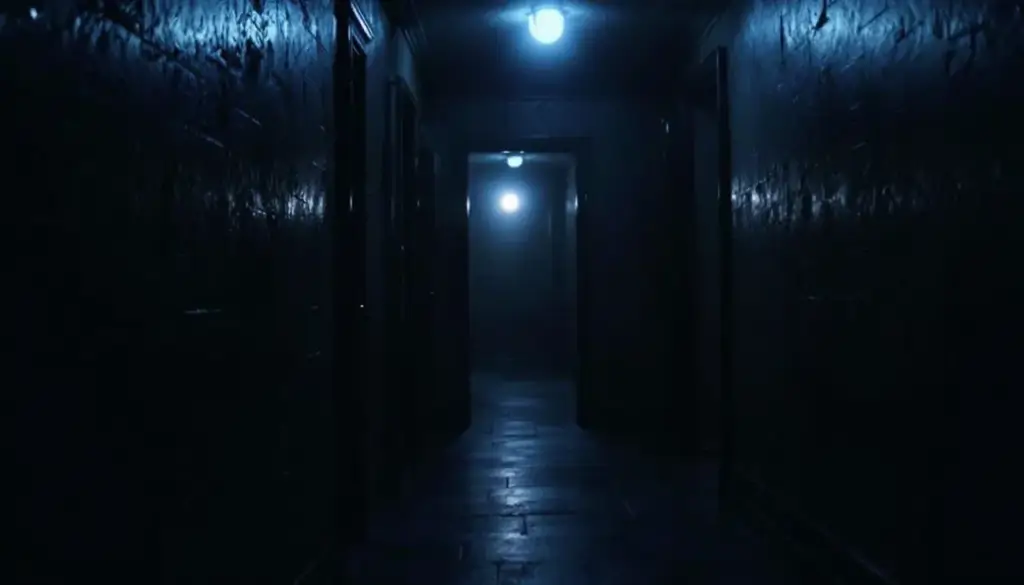
Do not include the back hallway in the general tour. If the housesitter asks about it, say the light is unreliable, which is probably also true. The instruction about not looking directly at anything that seems to already know your name should be delivered in writing, in the middle of a longer document, in a font size consistent with the surrounding text. Isolation draws attention. Embed it.
The Name Instruction: Exact Wording Matters
Every householder I spoke with who had encountered a situation of this type reported the same detail: the moment of recognition came when the entity used, or appeared to anticipate, a name. Not always the housesitter’s name. Sometimes the name of a pet. Sometimes a name from further back, a grandmother’s name, a name from childhood, a name the housesitter described as ‘one I hadn’t thought about in years and didn’t know I’d said aloud.’ This is the point at which direct eye contact becomes inadvisable, and your briefing document should say so. Recommended phrasing, which I have refined across several conversations: ‘If something in or near the property addresses you by name, or appears to be waiting for you to confirm a name, look slightly to the left of it and continue moving toward a well-lit room. Do not confirm anything. Do not ask how it knows.’ That last sentence is important. The instinct to ask is strong. It does not help.
The document she left was twelve pages. Nine of them were about the cat’s medication schedule. I think that was intentional. By the time I got to the part about names, I was too tired to panic properly, which was probably the right state for it.
— Professional housesitter, name withheld, four documented incidents as a witness
FAST FACTS
• Four witnesses across three separate housesitting incidents contributed to this report, all in the Northeast.
• All four described a moment of nominal recognition — the entity using or anticipating a name — as the incident’s turning point.
• None of the four were told in advance about the name-recognition behaviour. All four wished they had been.
• Two of the four reported that keeping interior lights on throughout the property significantly reduced activity. One reported it made no difference. One declined to specify.
• The instruction to look slightly left rather than directly at an entity is consistent across three independent accounts and is reported here as a practical recommendation, not an editorial endorsement of any particular framework.
One final note, and I include it because I think it is the piece most householders omit from sentiment rather than strategy: tell the housesitter that it is probably going to be fine. Not certainly. Probably. This distinction matters. ‘Certainly fine’ is a claim you cannot make and which the housesitter will remember, with feeling, if the week goes otherwise. ‘Probably fine’ is honest, it is accurate for the majority of housesitting arrangements even in compromised properties, and it leaves the housesitter with the correct level of alertness — present but not braced. You want them calm. You want them sensible. You want them to water the plants, collect the post, keep the hall door shut, and not confirm anything. That is not too much to ask. It is, in fact, precisely enough.
evelyncrowe@whatthecryptid.com
Evelyn Crowe · Opinion Columnist — WTC

It was wearing the animal. The animal was not consulted.