Cryptid music experts detect suspicious digital artifacts in ancient supernatural songs, raising uncomfortable questions about technological adaptation in the Highland waters.
LOCH NESS, SCOTLAND — Deep in the audio laboratories of Edinburgh’s Institute for Supernatural Sound Studies, Dr. Margaret Caldwell plays the same fifteen seconds of recording for the fourteenth time today. It sounds like a traditional siren‘s call — hauntingly beautiful, irresistibly melodic — but the spectrographic analysis tells a different story. Those perfectly pitched notes, the ones that allegedly lured three separate fishing crews toward the rocky shores of Loch Ness last month, show clear evidence of digital pitch correction.
“The waveforms don’t lie,” Caldwell explains, highlighting a series of unnaturally geometric peaks on her computer screen. “Ancient supernatural entities shouldn’t produce audio signatures identical to a Taylor Swift recording. Yet here we are.” The recordings, captured by marine biologist Dr. James Morrison during routine Nessie habitat monitoring, have forced the cryptozoological community to confront an uncomfortable possibility: Scotland’s legendary sirens may have embraced modern recording technology.

We’re seeing pitch correction algorithms that wouldn’t look out of place in a Nashville recording studio. It’s deeply unsettling from both a folkloric and technical standpoint.
— Dr. Margaret Caldwell, Institute for Supernatural Sound Studies
Department Responds to Growing Concerns
The Department of Cryptid Affairs issued a statement yesterday acknowledging “irregularities in recent aquatic vocalist documentation,” while declining to confirm whether sirens have been issued permits for digital audio equipment. DCA spokesperson Arthur Pritchard assured reporters that any technological adaptations by registered supernatural entities remain “within acceptable parameters for traditional predatory behavior.”
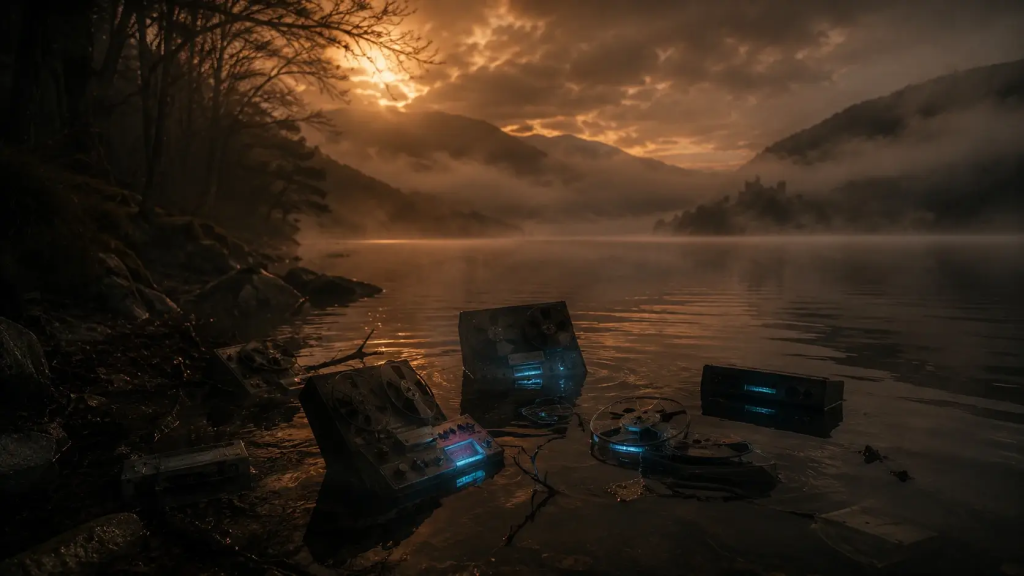
However, sources within the department — speaking anonymously due to the sensitivity of ongoing investigations — paint a more complex picture. “We’ve been finding waterlogged laptops and recording interfaces scattered across the loch bed for months,” one field operative revealed. “The sirens aren’t just using Auto-Tune. They’re running full digital audio workstations down there.”
⚠️
FIELD ALERT
Hikers and boaters near Highland lochs should be particularly cautious of supernatural songs featuring excessive vocal runs, perfect harmonization, or suspiciously modern chord progressions. Traditional siren immunity charms remain effective against unprocessed vocals only.
The implications extend beyond mere technological curiosity. Professor Leonard Finch, paranormal historian at St. Andrews University, notes similar adaptations during the Industrial Revolution. “In 1847, we documented selkies incorporating steam whistles into their mating calls,” he explains. “Supernatural entities have always been surprisingly quick to adopt human innovations, particularly when it enhances their ability to lure victims to watery deaths.”
TECHNICAL SPECIFICATIONS
• Audio artifacts detected: Pitch correction (98% confidence)
• Harmonic enhancement algorithms present
• Reverb processing consistent with ProTools standard plugins
• Estimated equipment value: £12,000-15,000
• Waterproofing method: Unknown
The discovery has prompted emergency consultations between the International Siren Regulatory Board and Scotland’s Marine Heritage Authority. Current maritime safety protocols, developed for traditional supernatural luring techniques, may prove inadequate against digitally enhanced supernatural vocals. “We’re essentially dealing with ancient predators who’ve discovered the power of professional audio production,” admits Maritime Safety Inspector Colin MacLeod. “Our traditional countermeasures weren’t designed for this level of sonic sophistication.”
As this investigation continues, one question remains unanswered: where are Scotland’s sirens acquiring professional-grade audio equipment, and who is providing technical support for underwater digital installations? The man in the beige sedan — my most reliable source for matters involving Highland waters — suggested looking into recent shipping manifests from Glasgow’s music equipment suppliers. His exact words: “Check the receipts marked ‘marine research,’ but don’t expect anyone to admit they’re selling mixing boards to mermaids.”

Has been doing this since before you had ships.