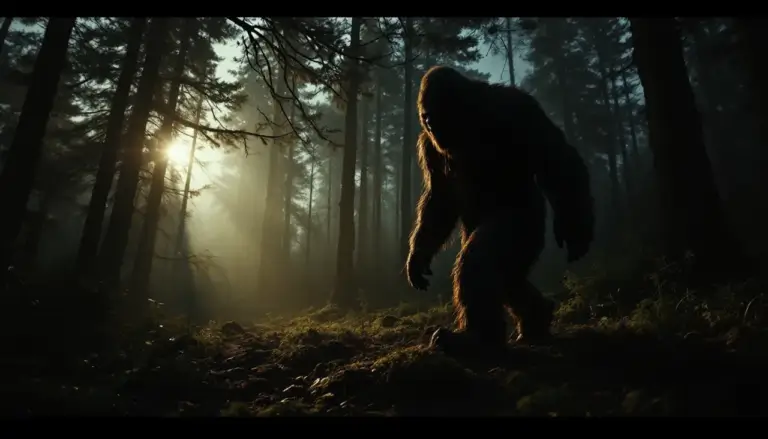

The pairing of a poltergeist and the Missouri Monster presents methodological challenges that I have chosen to document rather than resolve. One subject operates without a body, a fixed location, or any meaningful obligation to the physical world. The other is approximately eight feet tall and has been described, on multiple occasions, as smelling like something.
What they share is a persistent refusal to be conclusively identified, which is, in this field, the closest thing to a professional credential. Both carry a Moderate threat rating. Both remain active. Beyond that, the comparison requires a certain tolerance for category strain — which the WTC Assessment Framework has, to its credit, largely anticipated.
The poltergeist’s advantages — cultural dominance, total evasion capability, and an apparent ability to interfere with its own documentation — are real, but they are the advantages of an entity that cannot be studied, which limits their field value. The Missouri Monster remains elusive. The poltergeist remains elsewhere. For the purposes of this assessment, elusive is the more useful condition.