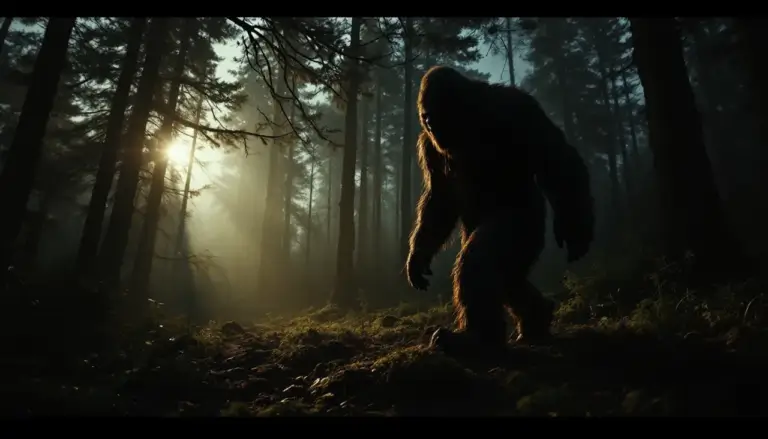

The Nandi Bear and the Succubus represent two fundamentally different problems. One is a large terrestrial predator of disputed taxonomy operating in a geographically bounded region of East Africa. The other is a nocturnal spirit entity with a four-thousand-year operational history and no fixed address. Comparing them is not straightforward. We have done it anyway.
Both carry high threat ratings. Both remain unverified by institutions that could verify them. Beyond these points of contact, the two entities diverge almost entirely — in methodology, in habitat, in the nature of the harm they cause, and in what a field team would reasonably bring to an encounter with either. This assessment attempts to hold both in view simultaneously. It does not entirely succeed. The categories were not designed with the Succubus in mind.
The Nandi Bear, however, leaves tracks. It has a smell. Witnesses describe it with the specific, involuntary detail that characterises genuine zoological encounters rather than nocturnal psychological events. It exists, most likely, as an animal — a real, physical, classifiable animal that has simply not been classified yet. This is, in certain respects, the more interesting problem. The Succubus is winning a competition. The Nandi Bear is waiting to be found.