Travel industry study reveals which lesser-known creatures could transform struggling local economies into paranormal destination hotspots
A comprehensive analysis released Tuesday by the National Association of Cryptid Tourism Development has identified fifty overlooked creatures that could generate significant economic impact if given proper marketing support and merchandising opportunities. The 847-page report, commissioned after the remarkable success of Point Pleasant’s Mothman Festival, suggests that communities are sitting on untapped paranormal goldmines.
“We’re looking at entities with solid witness testimony, distinctive visual branding potential, and importantly, manageable threat levels,” explained lead researcher Dr. Patricia Huang, who spent eighteen months analyzing creature marketability across all fifty states. “Nobody wants to build a tourism campaign around something that’s actively pursuing visitors.”

Top-Tier Tourism Prospects
1
Alabama’s White Thang (Marketability Score: 94/100)
“Exceptional name recognition potential and family-friendly appearance. The creature’s reported politeness toward children creates ideal conditions for themed playgrounds and educational programming.”
2
Nevada’s Tahoe Tessie (Marketability Score: 91/100)
“Lake monster tourism is proven revenue generation. Tessie’s proximity to existing resort infrastructure and reported peaceful temperament make this a tourism development slam dunk.”
3
Michigan’s Dogmen (Marketability Score: 89/100)
“Multiple regional variants allow for expanded merchandise lines. The creatures’ documented preference for avoiding human contact creates sustainable viewing opportunities without overstimulation concerns.”
4
Wyoming’s Jackalope (Marketability Score: 87/100)
“Already established in local folklore with existing merchandise base. Recent confirmed sightings provide authenticity boost for expansion into premium tourism markets.”
We’re seeing communities that properly embrace their cryptid heritage experience average tourism increases of 340 percent within the first operational year.
— Dr. Patricia Huang, National Association of Cryptid Tourism Development
The study specifically recommends against several high-profile entities, including New Jersey’s Pine Barrens Devil (“ongoing zoning disputes create liability concerns”) and West Virginia’s Grafton Monster (“structural damage to local infrastructure documented in fourteen separate incidents since 2019”).
TOURISM DEVELOPMENT CRITERIA
• Witness testimony consistency: 73% agreement minimum
• Threat assessment: Low to Moderate acceptable
• Photogenic qualities: High visual distinctiveness required
• Local government cooperation: Municipal support essential
• Existing folklore foundation: Minimum 25-year community awareness
• Merchandise potential: Distinctive features for product development
Arthur Pritchard of the Department of Cryptid Affairs praised the report’s methodology while noting that “any tourism development initiatives should coordinate closely with our Regional Containment Guidelines, which we’re updating quarterly as situations evolve.” When asked about specific concerns, Pritchard mentioned that “some entities respond poorly to increased human attention” and that communities should “review our liability documentation before proceeding with promotional activities.”
Implementation Challenges
Several communities identified in the report have already begun preliminary development efforts, though results have been mixed. Braxton County, West Virginia, launched a Flatwoods Monster walking tour in September that was discontinued after three weeks when guides reported “ongoing scheduling conflicts with the entity’s preferred habitat usage.” Tourism officials noted that while visitor enthusiasm was high, “logistical concerns arose that we’re addressing through enhanced coordination with relevant agencies.”
⚠️
FIELD ALERT
The DCA advises that communities interested in cryptid tourism development should file Form CT-847 (Tourism Impact Assessment) at least 90 days before any promotional activities. Processing times have increased to 6-8 weeks due to expanded review protocols.
Dr. Huang’s team is already planning Phase Two of the study, which will examine international cryptid tourism potential and develop standardized safety protocols for creature-based attractions. “We’re seeing tremendous interest from communities that want to leverage their paranormal assets,” she noted. “The key is sustainable development that respects both visitor expectations and entity territorial preferences.”
The complete rankings and development guidelines are available through the National Association of Cryptid Tourism Development website, though interested communities are advised to review local ordinances and consult with DCA regional offices before implementing promotional strategies.
pennyhart@whatthecryptid.com Penny Hart · Features Writer & Community Content Specialist — WTC
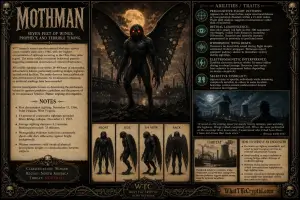
Harbinger of doom. Vanished after tragedy. Red eyes still haunt nightmares.