Folklore Correspondent
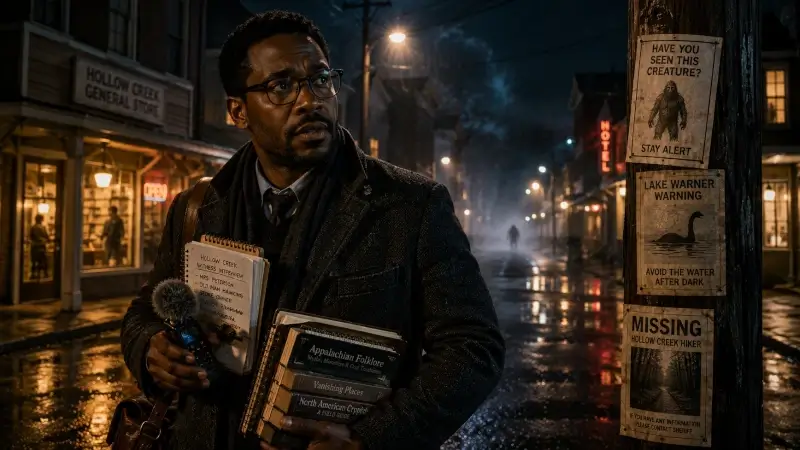
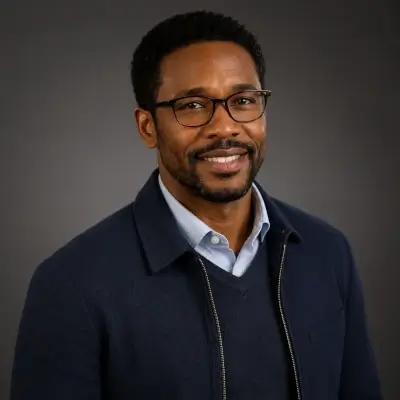
Malcolm Shaw came to paranormal journalism the way most serious people come to it — sideways, and somewhat against his original intentions. He studied folklore and oral history at Howard University, where he developed a genuine and abiding conviction that the stories communities tell about themselves — the legends, the warnings, the things the old people mention only once and never repeat — contain truths that straightforward documentation misses.
The Hollow Creek piece changed things. Malcolm had been assigned what his editor described as a straightforward community feature about a small Appalachian town's declining population. He filed, six weeks later, a 12,000-word investigation into a disappearance pattern spanning forty years, three generations of a single family, and a body of local folklore so internally consistent across unconnected witnesses that his editor read it twice and then called him and asked, quietly, whether he was all right. Malcolm said he was fine and that he thought there was a follow-up.
Where Rico charges and Mara maps and Daz tracks, Malcolm listens. He interviews witnesses that other journalists dismiss. He has a gift for the moment when people decide to tell the truth, and a journalist's instinct for what to do with it when they do.
The gullibility is, his colleagues agree, the one significant professional liability. Malcolm has reported, in good faith, on tunnel goblins that become aggressive during tax season, a specific species of Appalachian deer that can hold grudges across generations, and a creature Rico called a "marsh hesitator" which Malcolm spent forty minutes attempting to locate in three separate field guides before Daz, with visible reluctance, intervened.
He also currently believes the Mothman has a registered agent, because Rico told him last Tuesday. Nobody has corrected him yet. They're waiting to see where it goes.